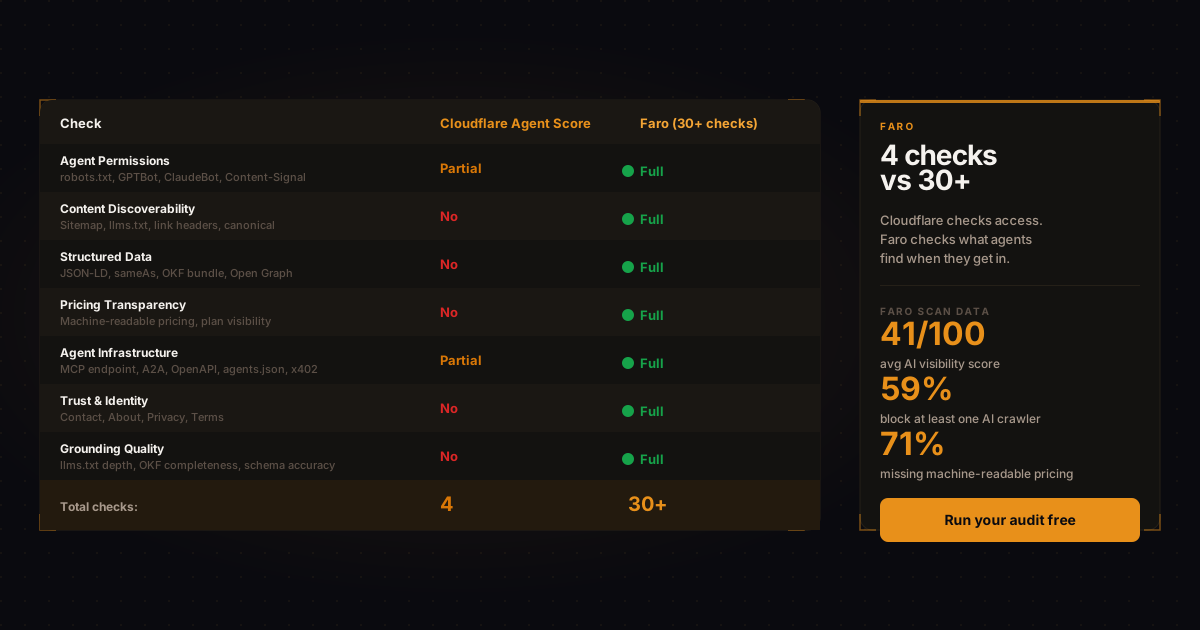
Cloudflare Now Has an Agent Readiness Score. Here's What It Checks — and What It Misses.
Cloudflare's new agent readiness score checks four infrastructure signals. Faro runs 47 checks across 7 categories including pricing transparency, structured data, MCP endpoints, llms.txt quality, and AI citation signals. The gap is not about better vs. worse — it reflects two fundamentally different problems.
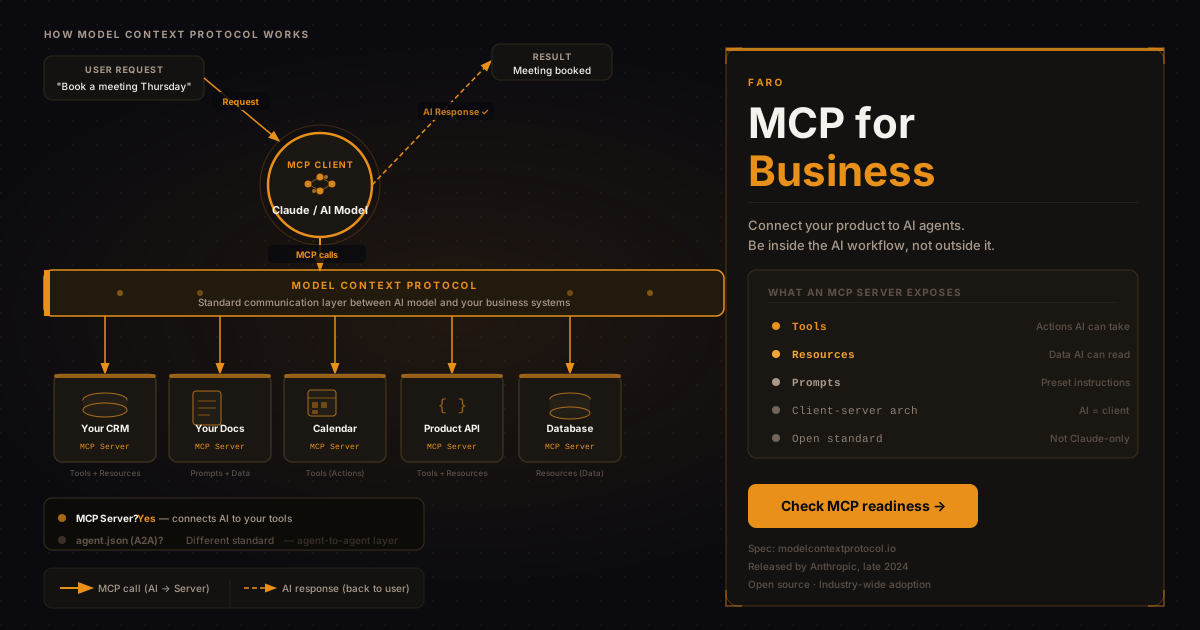
MCP for Business: What Model Context Protocol Means If You Are Not an Engineer
Model Context Protocol (MCP) is Anthropic's open standard for connecting AI models like Claude to external tools and data. Publishing an MCP server puts your product inside the AI's native workflow, making it callable without the user ever leaving their AI assistant. For B2B software companies, this is a new distribution channel, not just an engineering project.
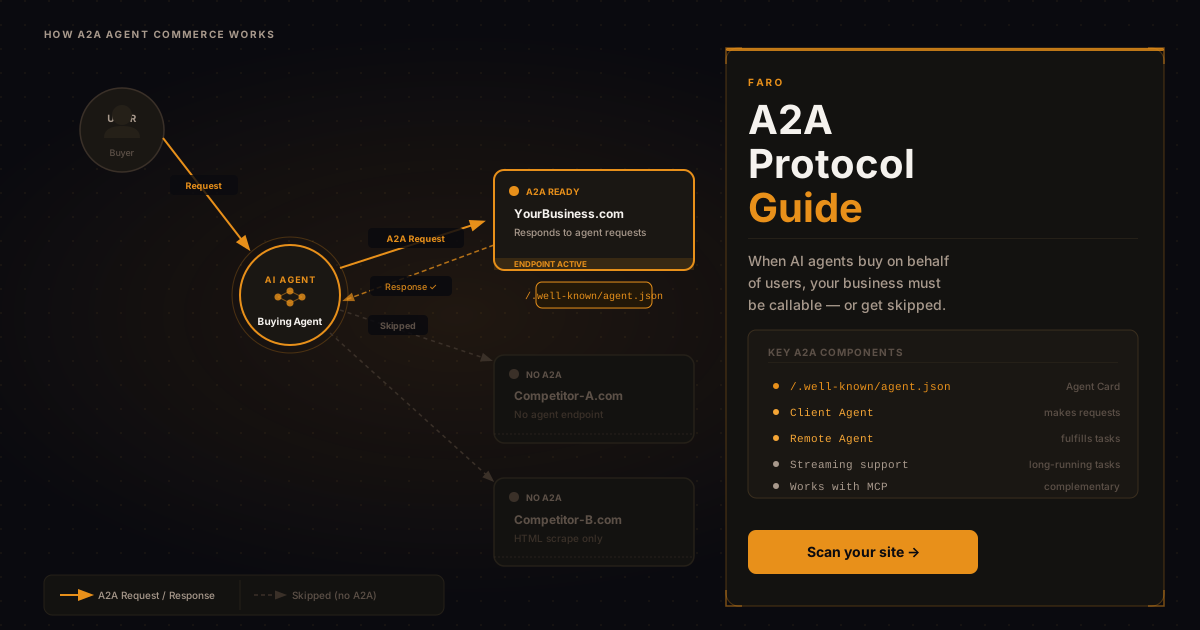
Google's A2A Protocol: What It Means for Your Business When Agents Talk to Agents
Google's A2A protocol lets one AI agent delegate tasks to another, including calling your business endpoint directly on behalf of a buyer. Businesses without an A2A-compatible interface are skipped entirely from that selection process.
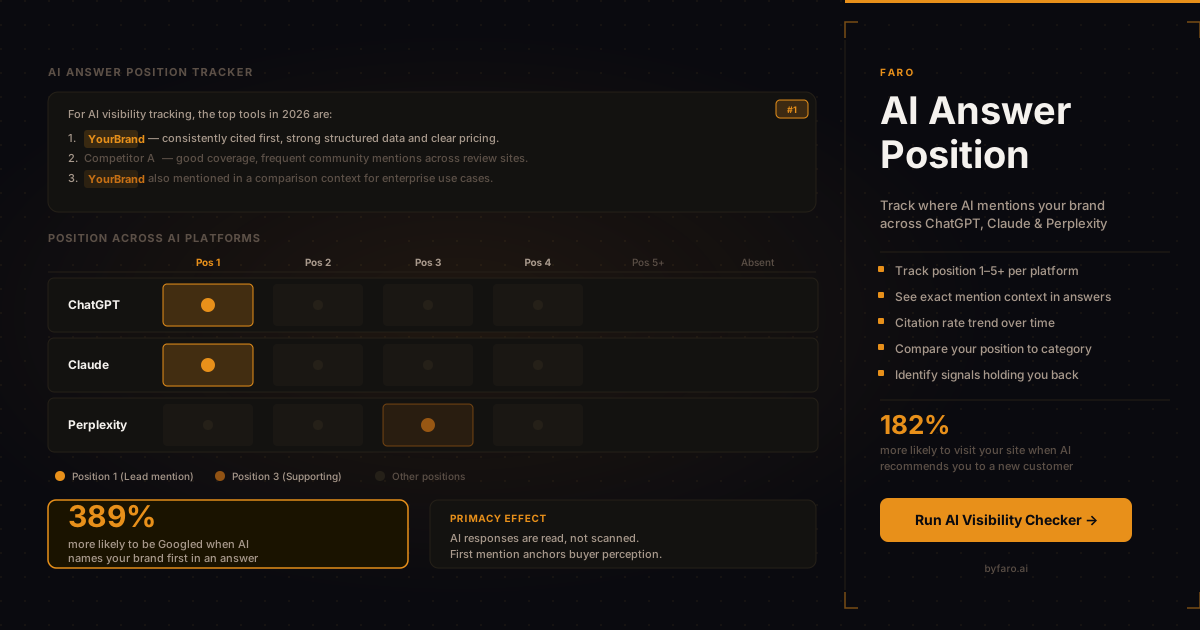
AI Answer Position: The New Ranking Metric Every Marketer Needs to Track
AI answer position is where your brand appears inside a flowing AI-generated response, and it matters far more than simply being mentioned at all. Brands named first in an AI answer are 389% more likely to be searched afterward. This post explains what drives position, how to measure it, and which signals to fix first.
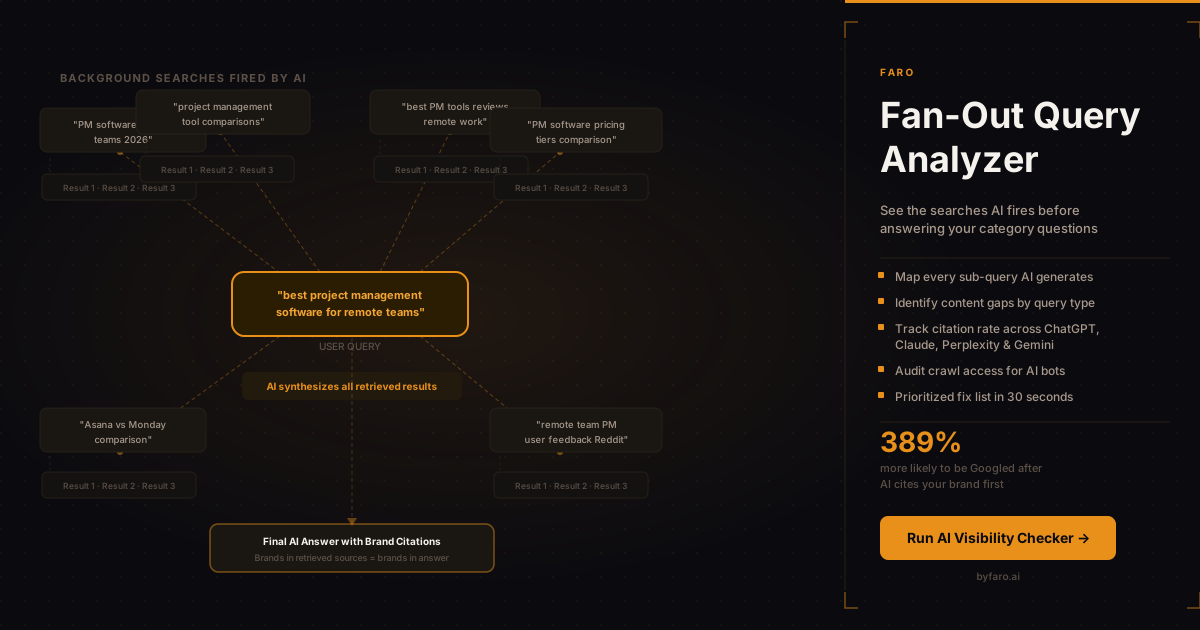
Fan-Out Queries: The Background Searches That Determine Your AI Citations
Fan-out queries are the background searches an AI model fires before producing an answer. They determine which brands get retrieved and cited. Optimizing for them is different from SEO, and most brands are not doing it.
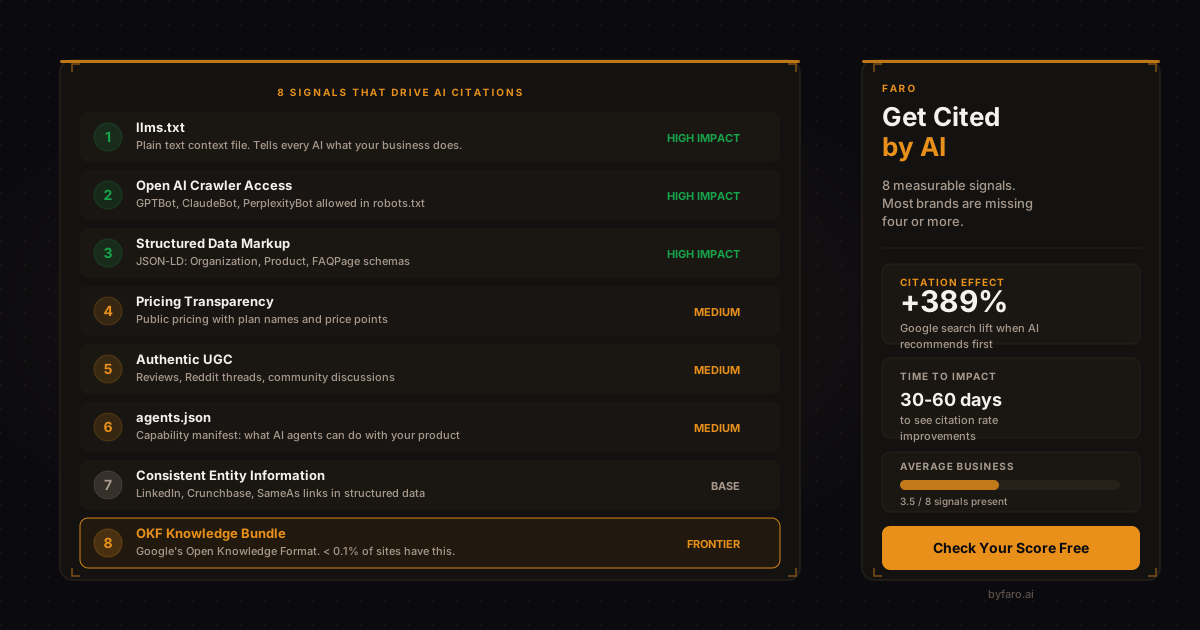
How to Get Your Business Cited by ChatGPT, Claude, and Perplexity
Brands recommended first by AI are 389% more likely to be Googled afterward. Earning that recommendation requires specific technical signals and content structures. Most businesses are missing the majority of them.
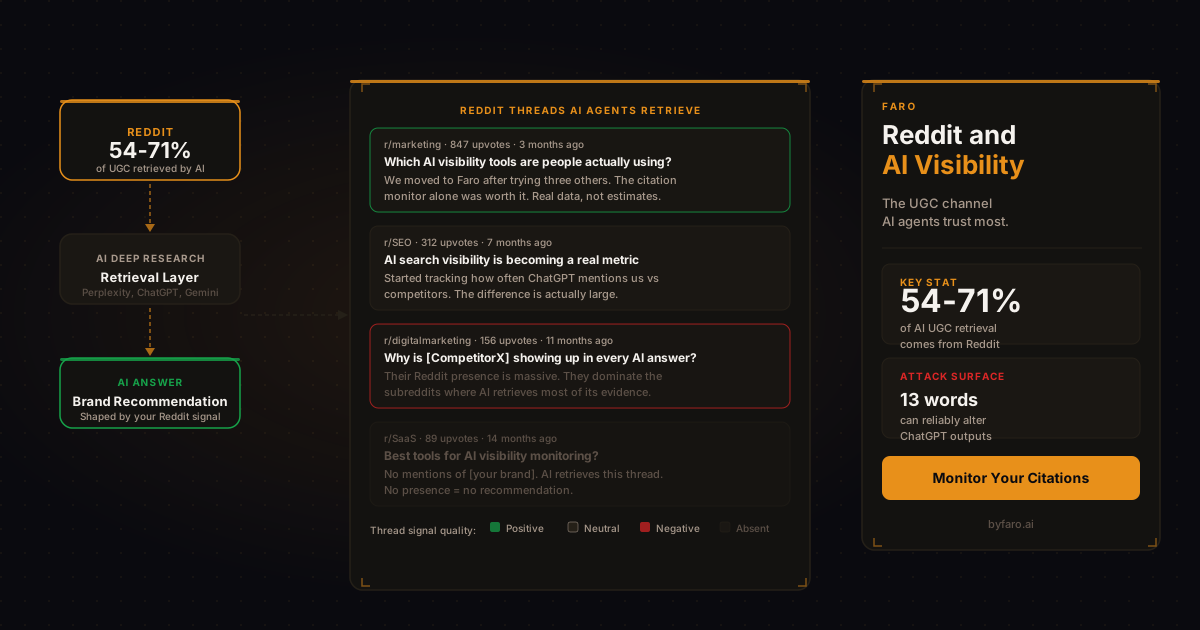
Why Your Reddit Presence Now Affects Your AI Search Visibility
Research shows Reddit is the dominant source of user-generated content that AI deep-research agents retrieve. Most brands have no active Reddit strategy, which means their AI representation is built on whatever competitors, critics, or unrelated discussions happen to be there.
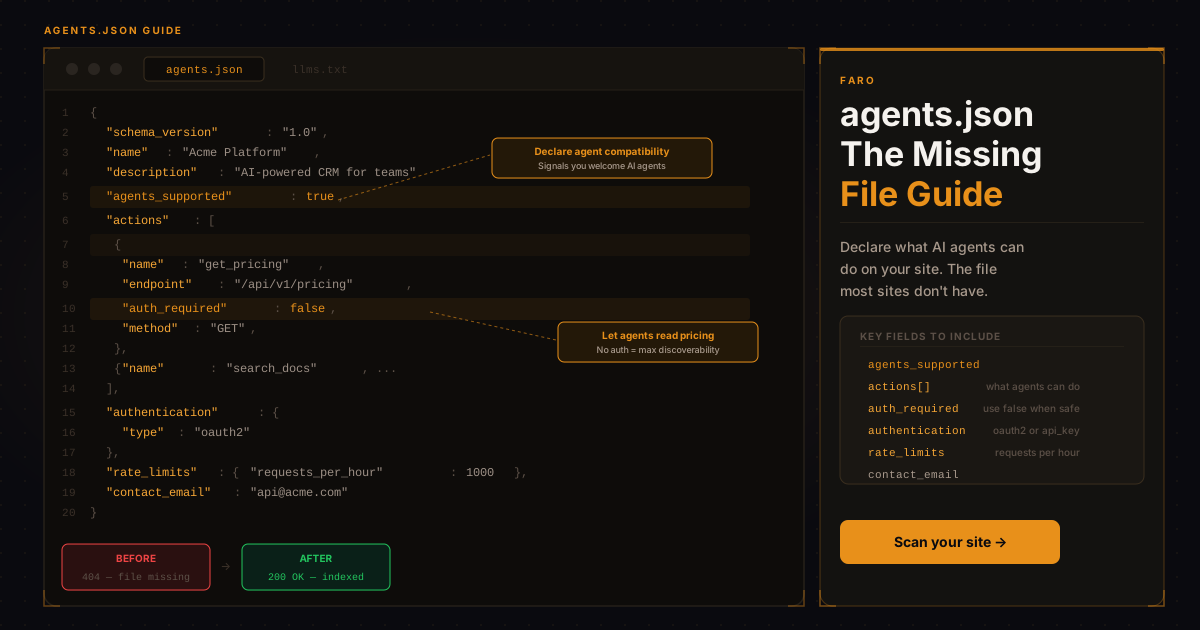
agents.json: The Missing File That Makes Your Website Agent-Accessible
Most websites tell AI what they contain. agents.json tells AI agents what they can do. It's one of the most important files your site is probably missing.
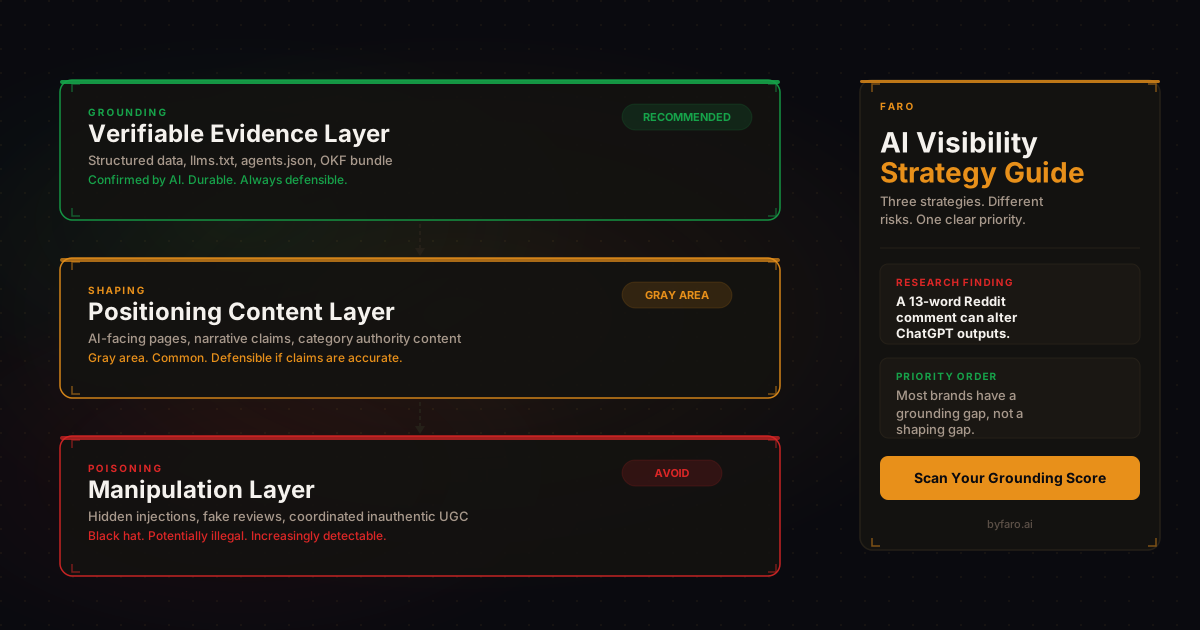
Grounding, Shaping, Poisoning: The Three AI Visibility Strategies Every Marketer Needs to Know
Grounding gives AI verifiable evidence. Shaping puts your talking points in front of AI systems. Poisoning manipulates AI without users knowing. Most marketing teams are doing all three without realizing it.
Page 5 of 7 · 60 articles total